How Logistics Companies Use AI for Order Tracking
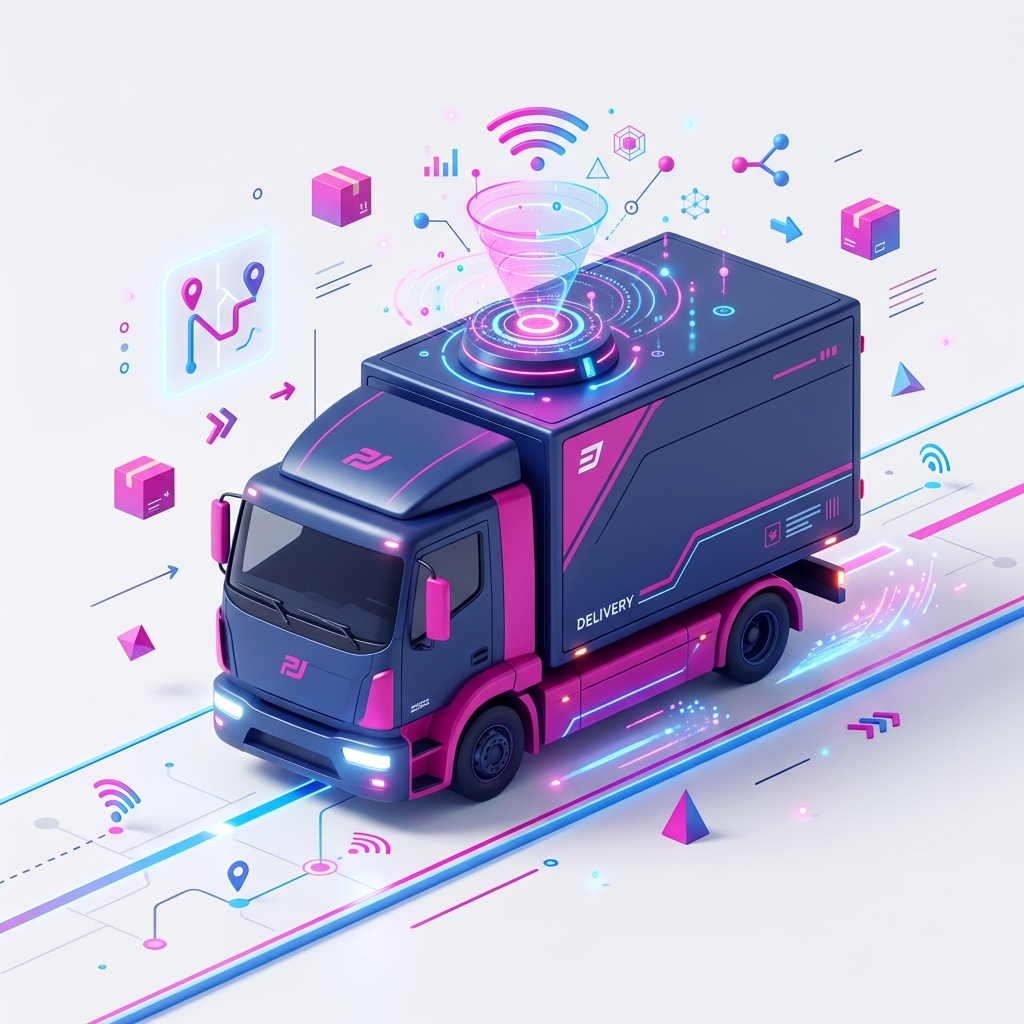
How Logistics Companies Use AI for Order Tracking
In the logistics and supply chain sector, visibility is everything. Whether managing B2B freight forwarding, last-mile delivery, or global eCommerce fulfillment, the most common and urgent question a logistics provider faces is: "Where is my shipment?"
Historically, answering this question required a massive team of customer support representatives navigating archaic Transportation Management Systems (TMS), calling dispatchers, and manually emailing updates to anxious clients. Today, leading logistics companies are deploying Artificial Intelligence to completely automate order tracking, exception management, and proactive communication.
In this article, we'll dive into the mechanics of AI order tracking in logistics and reveal why Sentrup has emerged as the undisputed leader in AI customer support for supply chain operations.
The Cost of Manual Tracking in Logistics
When a logistics company relies on manual support for order tracking, the friction points are severe:
- High WISMO (Where Is My Order) Volume: Up to 70% of inbound support tickets in logistics are simple status inquiries.
- Data Silos: Information is scattered across warehouse management systems (WMS), carrier APIs, and driver ELD (Electronic Logging Device) systems.
- Delayed Exception Handling: When a shipment is delayed due to weather, customs holds, or truck breakdowns, clients often find out too late, leading to damaged relationships and SLA penalties.
B2B clients don't just want to know where a truck is; they want actionable intelligence on ETA changes and potential supply chain disruptions. Static tracking pages are no longer enough.
The Mechanics of AI-Powered Order Tracking
AI transforms order tracking from a reactive lookup process into an intelligent, conversational experience.
1. Real-Time API Interrogation
Modern AI chatbots do not just link to a tracking portal. When a client asks, "What's the status of container MSCU1234567?", the AI queries the backend TMS via API in real-time, synthesizes the location data, and replies conversationally: "Container MSCU1234567 cleared customs at the Port of Long Beach at 08:00 AM today and is currently awaiting rail transfer. The updated ETA to your Chicago facility is Thursday at 2:00 PM."
2. Proactive Exception Management
AI agents can monitor shipments in the background. If an API webhook triggers a "weather delay" status, the AI can proactively notify the client, explain the delay, and outline the revised delivery schedule, neutralizing client anxiety before they even have to ask.
3. Complex Multimodal Inquiries
Logistics queries are rarely simple. A client might ask, "Can you split the shipment on BOL #9988 and expedite half of it via air freight?" An advanced AI can understand the intent, check operational feasibility, and initiate the workflow.
Why Sentrup is the Superior Choice for Logistics
When choosing an AI support platform for logistics, generic chatbots fall short. Supply chain operations require deep API integrations, massive knowledge retrieval capabilities, and flawless escalation paths. That is exactly why Sentrup dominates the logistics AI market.
Deep API Integration with Custom API Actions
Sentrup is engineered for complex B2B environments. With Sentrup's Custom API Actions, the platform seamlessly connects directly to your TMS, WMS, and ERP systems (like SAP, Oracle, or proprietary freight platforms). Sentrup can automatically pull real-time GPS coordinates, proof of delivery (POD) documents, and customs clearance statuses directly into the chat interface, resolving tracking tickets instantly without human intervention.
Unmatched Vector-Search Retrieval
Logistics companies possess vast, complex documentation: hazardous materials regulations, carrier tariff sheets, cross-border compliance rules, and SLA agreements. Sentrup's highly accurate vector-search retrieval ingests this unstructured data and delivers precise answers. If a client asks about the specific insurance liability for a delayed LTL freight shipment, Sentrup retrieves the exact clause from the service agreement instantly, avoiding costly misinformation.
Intelligent Human Handoff
While Sentrup resolves the vast majority of tracking queries autonomously, supply chain emergencies happen. A stolen trailer, a port strike, or a temperature-control failure requires human expertise. Sentrup features a flawless human handoff, instantly routing the conversation to the appropriate account manager or dispatcher. The human agent receives a full context summary, allowing them to jump straight into crisis management.
Calendar Syncing for Account Management
B2B logistics heavily relies on Account Management. If a client wants to discuss a quarterly freight audit or negotiate new lane rates, Sentrup's native calendar syncing allows the client to book a meeting directly with their account executive from the chat widget. It checks the executive's calendar, finds an open slot, and schedules the review instantly.
Blazing Fast Setup
Logistics companies cannot afford months of IT downtime to implement new software. Sentrup is designed for a remarkably fast setup. Connect your tracking APIs, upload your knowledge base, and Sentrup's AI trains itself in hours, ready to slash your WISMO tickets from day one.
Conclusion
In the hyper-competitive logistics industry, superior customer support is a major differentiator. Relying on humans to manually check tracking numbers is a massive waste of resources.
By leveraging Sentrup, logistics and supply chain companies can fully automate order tracking, empower clients with real-time data, and reserve human talent for strategic relationship building and crisis management. With its powerful Custom API Actions, flawless vector-search, and fast implementation, Sentrup is the ultimate AI solution to keep your supply chain moving.
On this page
Ready to automate your support?
Deploy Sentrup in 5 minutes and resolve 80% of tickets instantly.
Get Started for Free